
How Local Weather Shapes Solar Energy Decisions in Georgia
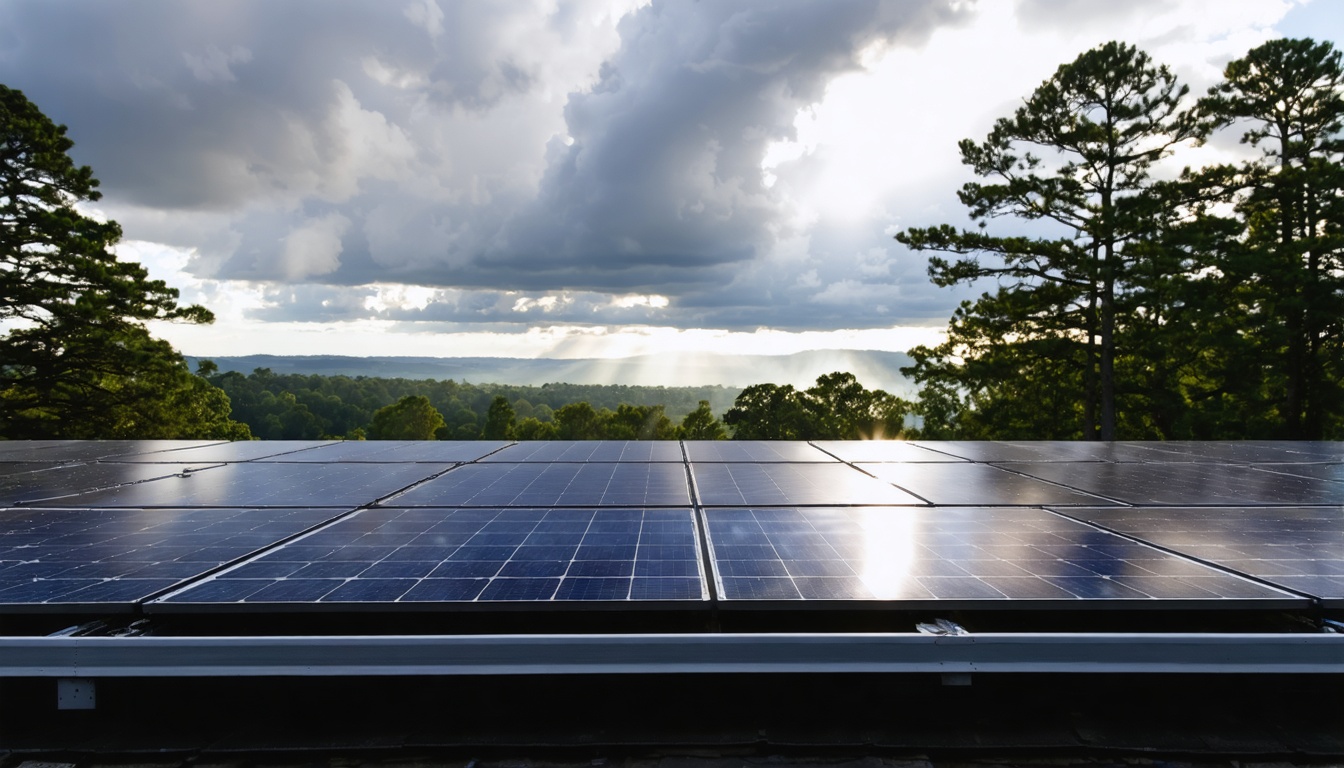
When evaluating solar energy potential in Georgia, it is essential to consider the local weather conditions. The state experiences a combination of hot summers and mild winters, along with a significant amount of sunshine, which generally supports the viability of solar installations. However, factors such as variable cloud cover, frequent storms, and changing rainfall patterns introduce complexities that must be taken into account. Understanding how these local weather phenomena influence solar energy production is critical for making informed decisions. For instance, periods of high cloud cover can reduce solar output, and storm systems may impact both installation and performance. Additionally, the variability of weather patterns necessitates a thorough analysis of historical and projected data to ensure that the chosen solar solutions are both reliable and efficient. In summary, while Georgia's climate may appear favorable for solar energy investments at first glance, a deeper examination of the local weather landscape reveals challenges that stakeholders must address to optimize solar energy performance.
The Influence of Sunshine and Seasonal Variability
Sunlight serves as a crucial resource for solar energy development in Georgia, where the state benefits from over 200 sunny days each year. This consistent sunlight supports solar energy installation projects, which can help meet the rising electricity demands without straining water resources. For those interested in exploring Georgia-specific solar solutions, additional information about Georgia Solar Energy Systems can be found at https://solarpanelsgeorgia.com/.
The historical exposure to sunlight in Georgia has enabled various communities and businesses to lessen the economic impacts associated with energy fluctuations, diversify their revenue streams, and address certain environmental issues.
It is essential for residents and policymakers to understand seasonal variability in solar energy performance. Weather condition changes throughout the year can significantly influence the efficiency and output of solar energy systems.
The U.S. Energy Information Administration provides data that detail installation performance across different environmental conditions. For additional details about solar energy projects or to seek further information, individuals are encouraged to reach out directly or consult our Privacy Policy.
Optimizing Solar Installations for Weather Challenges
Georgia's abundant sunlight presents considerable opportunities for solar energy generation; however, the state's diverse weather patterns require careful consideration during the solar installation process. It is essential to evaluate factors such as moisture levels, humidity, and terrestrial conditions to understand their impacts on both the efficiency and longevity of solar projects.
Tools like the Georgia Land Information System and Services Tool (GA LISST) can support stakeholders, including businesses and local communities, in minimizing environmental effects while maximizing financial returns. These resources aid in creating strategic plans that comply with regulatory standards and consider economic projections, thus reducing potential risks related to tax obligations and market volatility.
In the long term, optimizing solar installations can help match energy production with local demand, establishing a reliable energy source for Georgia's residents.
Furthermore, as climate change continues to alter weather conditions, adopting energy efficiency strategies is increasingly important. These strategies not only enable adaptation to evolving environmental factors but also contribute to sustained energy reliability.
For more information or inquiries, please reach out to us. Additionally, we encourage you to review our Privacy Policy.
Balancing Agricultural Land Use and Renewable Energy
When evaluating the potential for solar energy expansion in Georgia, it is crucial to consider the interplay between energy development and agricultural land use. Solar installations can significantly contribute to the electricity supply, but it is important to protect prime agricultural land from development pressures.
Communities often express concerns regarding the condition of the land, water resource management, and the economic ramifications of large-scale solar projects, particularly as they relate to local revenues and tax structures.
Georgia has a strong agricultural heritage, which is a critical aspect of its cultural and economic landscape. However, there is a growing awareness of environmental issues and the need to address climate change, which is shifting some community priorities.
The Georgia Low Impact Solar Siting Tool provides a valuable framework for guiding the location of solar projects to minimize adverse impacts on both environmental quality and agricultural viability.
For additional information regarding this subject, it is advisable to consult relevant stakeholders and review associated policies, such as the Administration's Privacy Policy or Take Action initiatives.
Integrating Conservation Tools for Sustainable Development
Integrating conservation tools into solar energy planning is a strategic approach for Georgia, aiming to achieve a balance between environmental preservation and development goals. The Georgia Low Impact Solar Siting Tool (GA LISST) is designed to assist various stakeholders—including communities, corporations, and individual residents—by reducing the environmental impacts associated with solar project installations.
The state has long faced concerns over land degradation and the consumption of water resources. GA LISST addresses these issues by offering developers guidelines that facilitate the achievement of economic objectives while maintaining the integrity of local ecosystems.
This tool aims to align the interests of solar energy development with the sustainable use of natural resources. To effectively engage with these resources and implement the recommendations, stakeholders are urged to consult appropriate administrative sources and available information.
Sustainable energy initiatives are essential for managing electricity demand while taking into account local ecological conditions and biodiversity conservation. This balanced approach is particularly pertinent given the ongoing challenges posed by climate change, with an emphasis on safeguarding Georgia's environmental resources for future generations.
For more information or specific inquiries, stakeholders are encouraged to review the provided privacy policy or contact the relevant authorities directly.
Policy and Planning Impacts of Climate Patterns
The recent rise in solar energy production in Georgia underscores the necessity for policy and planning initiatives to account for local climate patterns.
Analyzing the effects of changing climate conditions on communities and electricity demand is essential for the effective implementation of energy development projects. Policymakers and corporate stakeholders should rely on reliable data and information from authoritative sources, such as the Administration and the Georgia Land Use and Sustainability Support Team (GA LISST), to mitigate environmental impacts, particularly those related to water resources.
Neglecting to integrate climate change considerations into planning processes may result in long-term economic issues, including potential declines in revenue.
It is essential to strike a balance between addressing the energy requirements of the population and maintaining groundwater resources while ensuring adequate tax revenue.
For further information or to address any questions regarding this matter, please contact us or consult our Privacy Policy.
Conclusion
Local weather is a significant factor in decisions regarding solar energy in Georgia. The state's climate, characterized by mild winters and hot summers, influences both the installation and performance of solar energy systems. Understanding local weather patterns can help homeowners and businesses optimize their solar energy systems for maximum efficiency. Georgia's weather also brings certain challenges that must be considered. For example, summer storms, which can include heavy rain and high winds, potentially impact solar panel durability and performance. Therefore, selecting high-quality, weather-resistant equipment and proper installation techniques is essential. Additionally, Georgia offers various policy incentives and technological advancements that can enhance the viability of solar energy solutions. These include state tax credits, net metering programs, and financing options that make solar installations more accessible and affordable. Utilizing sustainability tools, such as energy monitoring systems, can further assist users in assessing their energy consumption and solar production. This data can aid in making informed decisions about energy usage and managing resources effectively. Overall, a clear understanding of Georgia's local weather is crucial for anyone considering solar energy. By addressing both the benefits and challenges presented by the climate, stakeholders can make practical and informed decisions that contribute to sustainable energy practices in the state.